



 October 6, 2026
40
October 6, 2026
40
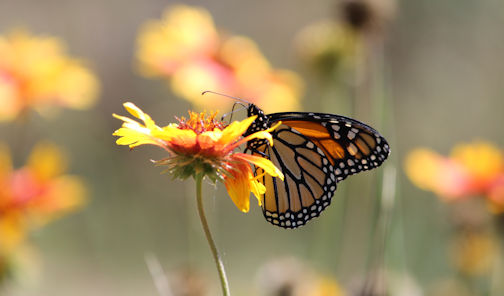
Somewhere in your shopping travels, you may have run across a throw pillow or wall-hanging displaying the phrase: “Into the garden I go to lose my mind and find my soul.” This is an adaptation of the popular phrase: "And into the forest I go, to lose my mind and find my soul." While often attributed to naturalist John Muir, this was written in 2014 by writer Mariah Danu.
In essence, she’s advising us to lay aside the noise and bustle of modern life and find peace and connection in nature.
In my September NIMBY column, I wrote of the benefits of gardening with native plants with regards to environmental conservation, costs of materials and maintenance effort while briefly touching on health benefits. This month, I’d like to expand on that last point.
Research shows that gardening promotes healthy aging and contributes to longer life spans.
Gardening combines many factors that help us live longer. It is gentle, consistent, low-impact exercise that builds strength, flexibility, and balance, all of which protect against falls.
While gardening, you spend time outside getting fresh air, sunlight, and Vitamin D. It gives you fresh, nutritious food that (hopefully) has not been sprayed with chemicals. Not surprisingly, you’re more likely to eat what you grow yourself.
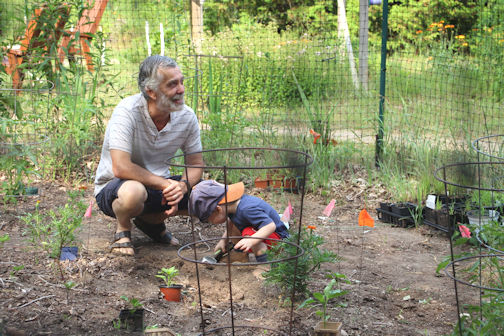
Tending a garden may contribute to social connection if you garden in a community garden or belong to a horticultural society. It can be an enjoyable bonding experience between young and old (hamiltonagingtogether.ca/digging-into-wellness-how-gardening-helps-older-adults-thrive).
Perhaps gardening doesn’t appeal to you. The benefits of fresh air and sunlight are easy to access simply by being outside.
A review of literature looking at how time outside triggers changes in the brain, was conducted by researchers at Montreal’s McGill University and Adolfo Ibñez University in Chile. They found “… the brain needs less mental effort to process sensory input than it does in cities or on-line. As the sensory load decreases, the heart rate slows, breathing deepens, and the regions of the brain involved in threat detection, such as the amygdala, become less active” (www.ctvnews.ca/montreal/article/new-joint-mcgill-chile-study-shows-the-importance-of-exposure-to-nature-for-our-brains).
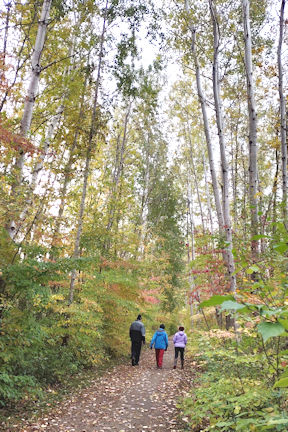
A walk in the woods decreases cortisol levels which reduces stress, anxiety and lowers blood pressure. Walking also benefits cardiovascular function. The benefits of spending time in nature are so widely accepted that many countries, including Canada, promote nature prescriptions - recommendations given by a health-care provider to spend specific time outdoors to improve physical and mental health.
Have you heard the term, forest-bathing? Developed in Japan in the 1980s, this therapy invites participants to find a place in a forest and engage their senses in an immersive experience to open mind and body to the restorative benefits of nature. This blog offers tips and links to find further guidance: blog.ontarioparks.ca/guide-forest-bathing.
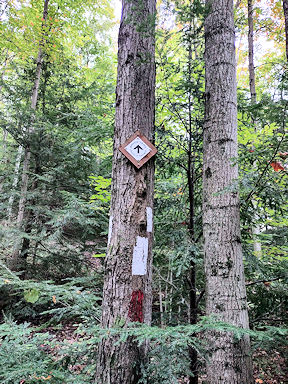
We’re very fortunate in Bruce County to have easy access to a wide range of multi-use trails in both urban and rural settings. Nature clubs, such as Huron Bruce Nature and the Owen Sound Field Naturalists, offer a wide variety of outings to explore the natural beauty of the area. The Bruce Birding Club is also very active in the region and many local clubs include walking in their roster of special interest groups. All will be happy to welcome new members (www.brucecounty.on.ca/services/transportation-and-environmental-services/bruce-county-trails).
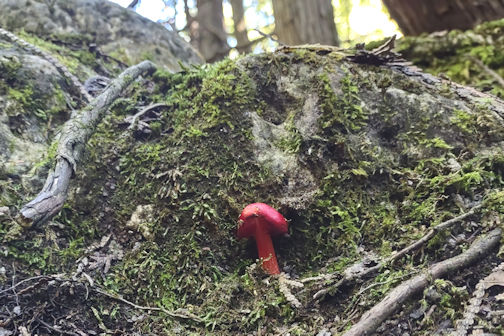
While walking, take time to notice colours, patterns, movement, smells. Engage your curiosity as you observe plants, insects and animals. Take photos and make observations. Use guidebooks and nature applications (apps) to learn more about what you see and hear. Recognize and appreciate how the changing seasons affect our perspectives and nature experiences.
Whether you’re gardening to enjoy beautiful flowers, to increase bio-diversity and wildlife habitat or growing your own food, gardening provides a sense of purpose and accomplishment and many physical health benefits. You don’t need a big garden; even pots on a balcony can grow food for yourself or pollinators.
Time spent in nature reminds us that we are all part of something greater than ourselves and that everything moves in cycles. It’s important to regularly disconnect from the constant demand of modern devices and reconnect with life outside. For your health and well-being, go get lost in the garden or the woods.
 Written By
Christine Roberts is a retired elementary school teacher, past-president of Huron Bruce Nature, executive member of the Ripley and District Horticultural Society, volunteer for the David Suzuki Foundation, VON volunteer fitness leader and a passionate lover of nature.
Related Stories
No related stories.