


 July 21, 2016
3020

Federal agriculture minister Alvin Hamilton spoke at the Ontario Federation of Agriculture meeting in November, 1961, where he explained the Agricultural Rehabilitation and Development Act (ARDA). The primary objective of the program was to improve the productivity of marginal land. The plan involved three levels of government: federal, provincial, and municipal.
The provincial government delegated responsibility to the Conservation Authorities and it was in connection with this, that the Saugeen Valley Conservation Authority (SVCA) picked up on the idea of a large community pasture project. Among the benefits of a community pasture was that a small farmer, who could not afford to buy a grass farm, could take advantage of renting his pasture requirement, keeping his cattle longer rather than selling them before maturity, and freeing up his home land for cropping.
Five directors were appointed to the management committee which included one representative from each of the following: Bruce County Cattlemen’s Assoc., Bruce County Soil and Crop Improvement Association and Bruce County Federation of Agriculture.
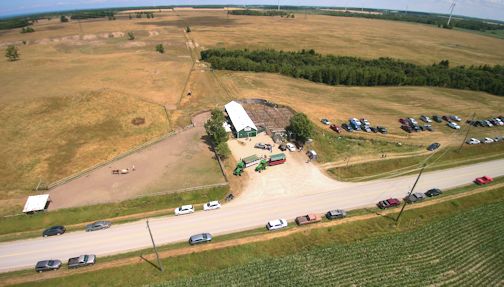
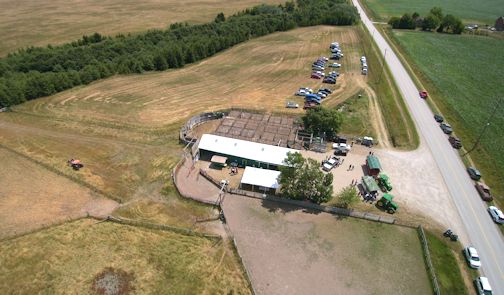
One of the proposed locations of possibly 1,000 acres for consideration was in southern Bruce County, in the former Bruce Township. After some negotiations, the land was purchased in 1966, 1967 and 1968, plus 200 acres in 1970, bringing the total acreage to 1,400 acres. Of that, 200 acres was bush and 100 acres of steep hills which did not produce great pasture.
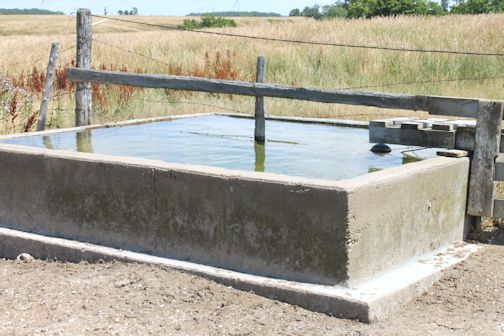
The land was in a run-down condition and badly grown up with thorn trees. So, the thorn trees were bulldozed off, new fences erected in 100-acre lots, low potholes drained, a well was drilled and water piped to all lots. The farm was then seeded down.
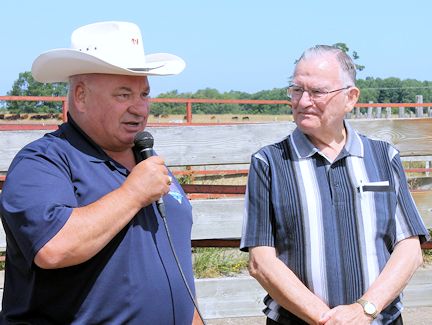
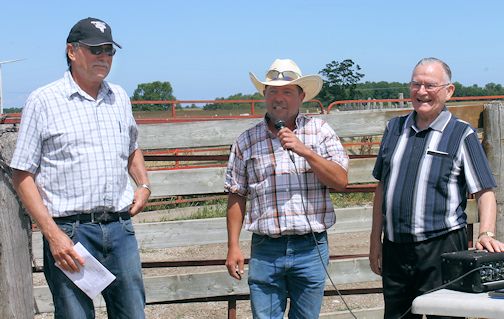
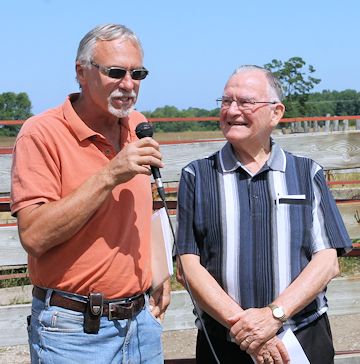
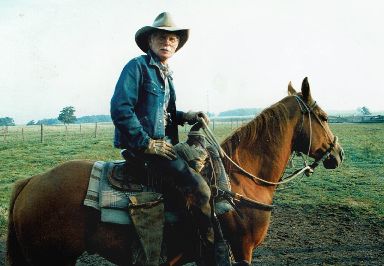 In 1972, Glen Wells (L) of Cargill was engaged as farm manager, with assistant Ted Parker. These two treated the pasture farm like their own by caring for the cattle, maintaining fences and buildings, clipping pastures and keeping the farm operating smoothly. The cattle, then and now, are checked daily for sickness. Lame and sick cattle are initially treated in the field but if not responding well, are taken into the corral for further treatment.
Salt and mineral are available freely at all times and the cattle are rotated to fresh pasture every few days. At the end of the season, a round-up is performed on horseback by the manager, along with other local people with horses. Following many years of service, Wells and Parker retired.
In 1991, an extensive stream-back erosion project was undertaken with help from the SVCA and Ontario Hydro: 75,000 cedars, spruce, and white pine were planted. Fences were erected along the creek to prevent the cattle from polluting it and breaking down the shoreline.
Although the land was paid for and the initial development costs were paid by the ARDA program, the farm has continued to pay its own way since that time. In 1997, the provincial government decided to sell off the Ontario pasture farms. The management committees of all 11 farms lobbied to save them. In 1999, the farms were offered for sale at a price of $1-million.
The 11 pasture farm committees formed a not-for-profit corporation, Association of Community Pastures, and purchased the land in 2000. The association’s head office is in Guelph, and the affairs are managed by a board of directors representing the 11 farms. The association meets on a yearly basis.
The property under the Bruce Community Pasture has continued to pay its own way and the obligation was free of debt in 2010. A new processing chute was purchased in 2015 which proved to be beneficial by weighing the cattle on arrival and departure to determine how well the cattle did over the season.
"This is a great project for those farmers with 100 acres who don't have enough pasture land," said Oswald. "Thank God, they bought it back."
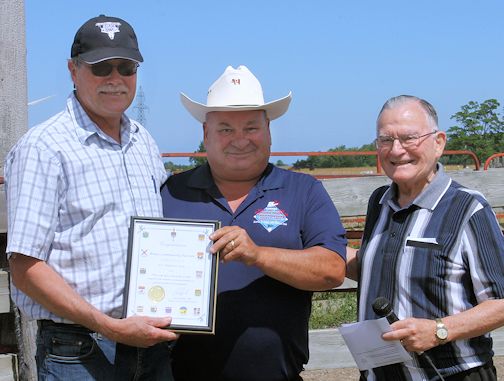
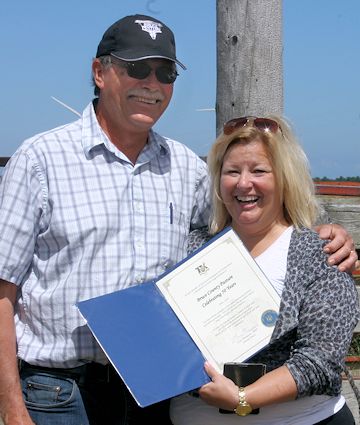
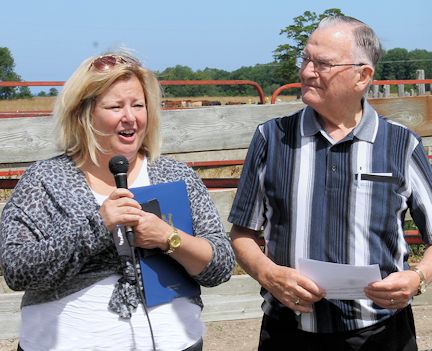
Huron-Bruce MPP Lisa Thompson congratulated the board on the 50th anniversary of the pasture.
"This is an awesome facility; it's an absolute gem," she said. "My first introduction to a community pasture was while I was a summer student with OMAFRA (Ontario Ministry of Agriculture, Food and Rural Affairs), at the Victoria Community Pasture. It's important to support agricultural in Ontario and I wish you another 50 successful years."
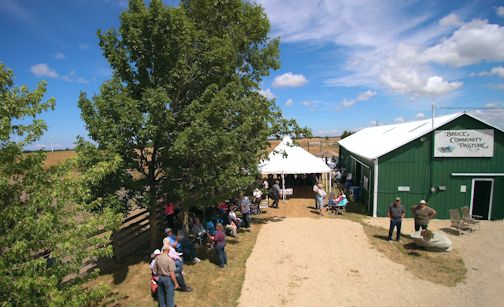
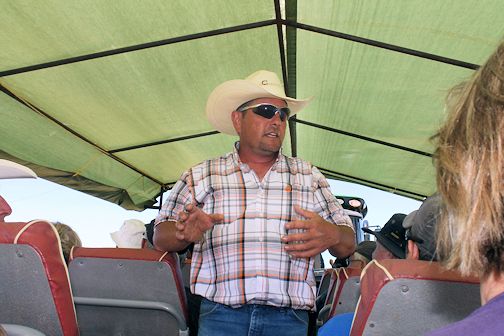
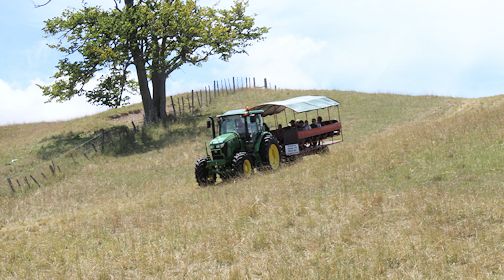
Jean Roppel, representing the Municipality of Kincardine, congratulated those who operate the pasture. "It's nice to see everybody here. The wagon ride tour of the pasture was great. What a terrific day!"
Bruce-Grey-Owen Sound MP Larry Miller added his congratulations as well, noting that his riding is the second-largest beef-producing area in Canada.
He and Thompson brought greetings from Huron-Bruce MP Ben Lobb, and Bruce-Grey-Owen Sound MPP Bill Walker.
Pasture veterinarian Peter Kotzeff said the health management at the pasture has been very good, with the goal to have as much gain as possible in the cattle. Vaccinations and deworming are done before the cattle go to pasture. There have been a few health problems but they have been addressed with the proper protocol.
He added that there may be an opportunity to use the facility to conduct local, in-house, research trials. "This is a great location for that type of thing," he said.
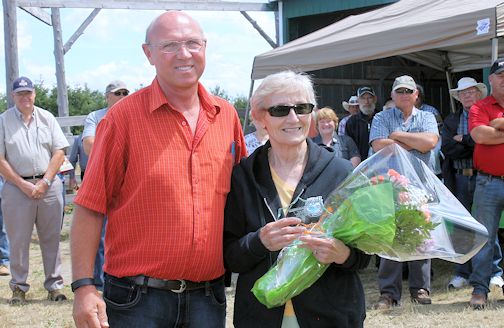
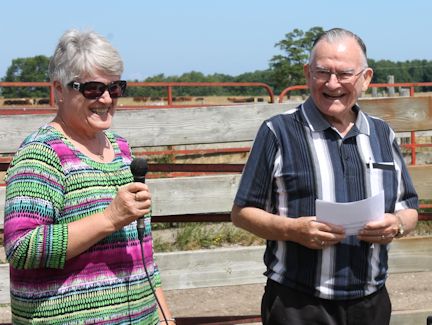
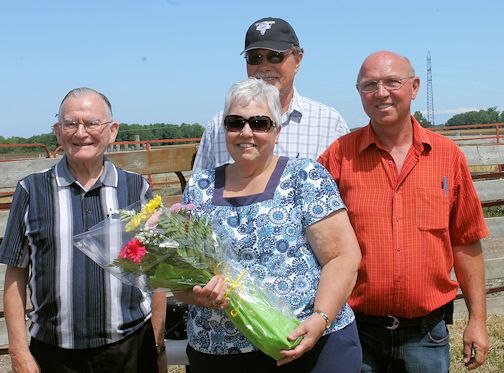
A presentation was made to Audrey Wells, long-time secretary-treasurer of the organization, and to Irene Howe who organized the 50th anniversary celebration.
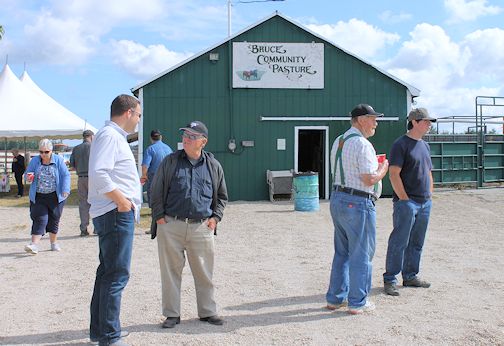
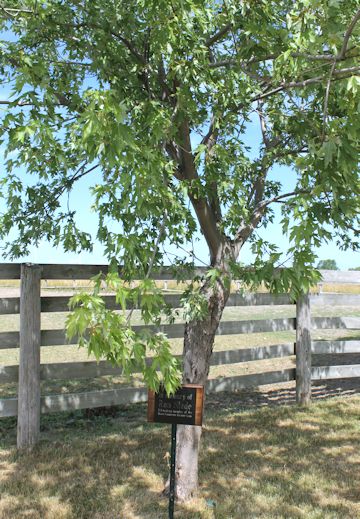
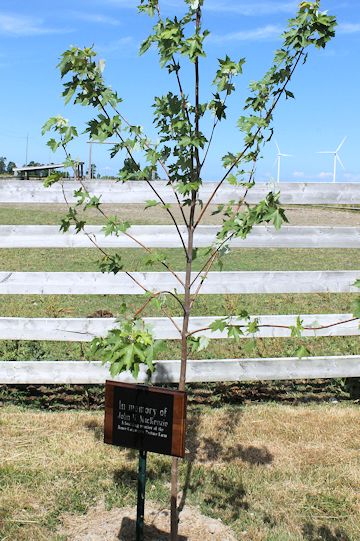
Pasture manager Andy McCulloch pointed to two trees planted in front of the barn - one in memory of past secretary-treasurer Ron Slade, and the other in memory of board member John MacKenzie.
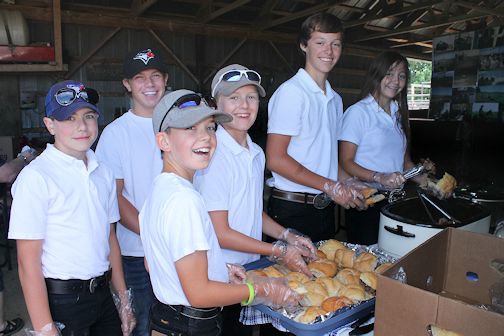
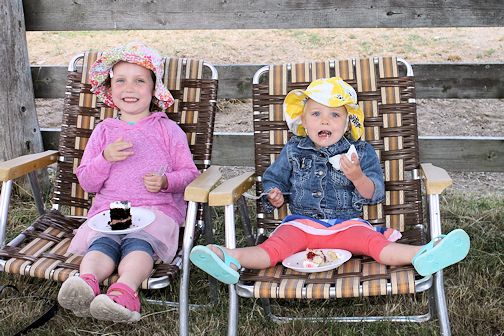
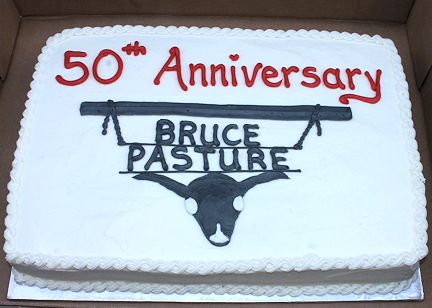
The Paisley 4-H members served beef-on-a-bun, followed by cake.
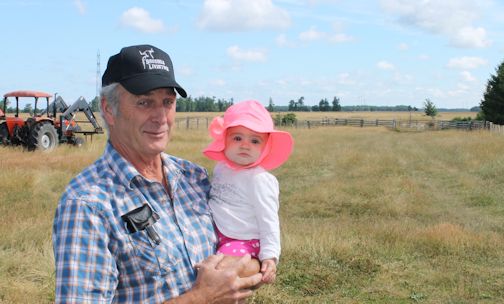
Glen Wells, pasture manager for 42 years, said he loved every minute of working at the Bruce Community Psature.
"It's a great piece of ground," he said. "It has served us so well. We made a lot of improvements, including planting 150,000 trees. I retired three years ago, and I miss it a lot."
His granddaughter, Morgan Wells, 11, of Cargill, remembers coming to the pasture and riding her horse with her grandpa.
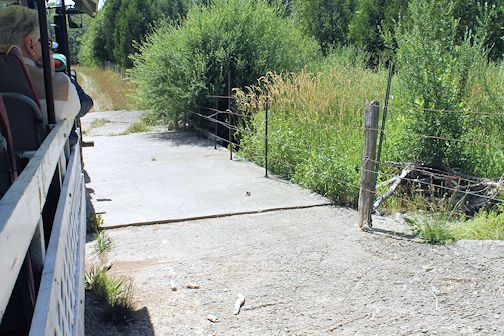
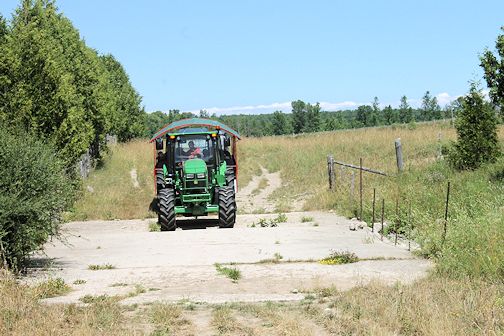
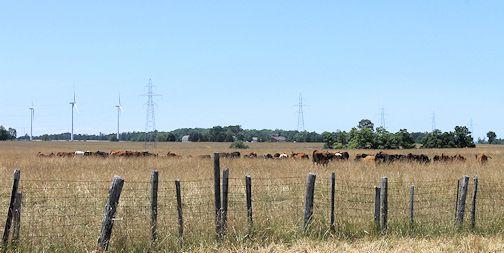
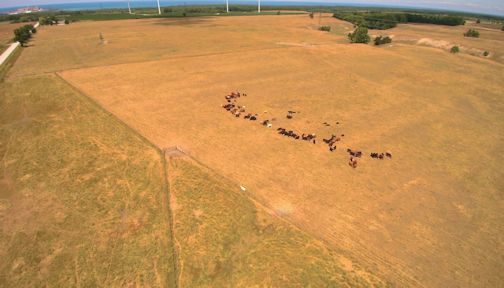
During a tour of the pasture, McCulloch rode along and pointed out various highlights. The facility has about 1,200 head of cattle. Of those, about 900 are steers and the rest are heifers which are housed south of the concession road. There are 263 short-term cattle in the north field, 420 mid-term in the west field, and 220 long-term in the south field.
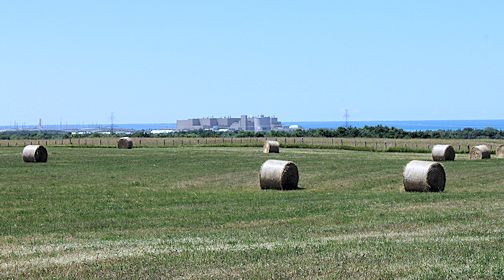
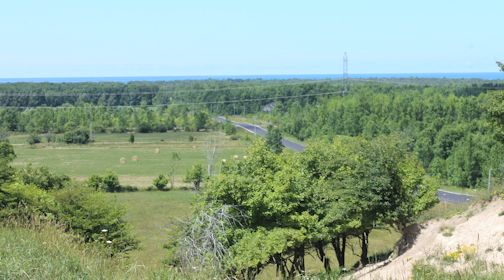
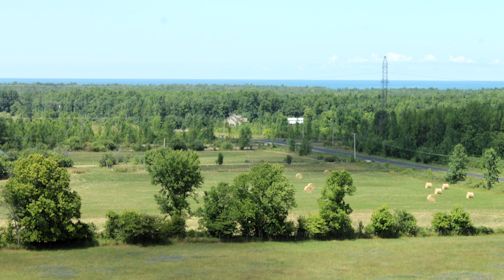
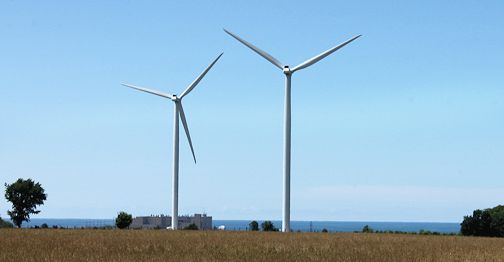
From the highest point of the pasture, you can see the Bruce A generating station and Lake Huron in behind.
 Written By
Liz Dadson is the founder and editor of the Kincardine Record and has been in the news business since 1986.
Related Stories
No related stories.